Neurodiversity-Affirming Practices and AAC
This seminar explores neurodiversity-affirming AAC practices that promote communication, autonomy, and inclusion. Topics include multimodal communication, AAC access, communication opportunities, core vocabulary, modeling, respectful prompting, and sensory regulation, with practical strategies for supporting meaningful and independent communication.
Speakers
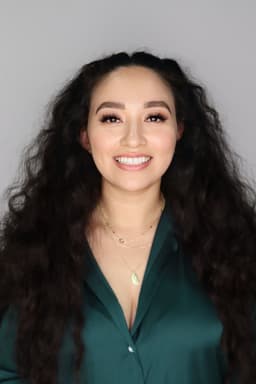
Dr. Nadia Townsend, SLPD, CCC-SLP is a speech-language pathologist, district AAC specialist, and university lecturer. Her research and work focuses on practical, neurodiversity-affirming approaches to AAC implementation and expanding literacy opportunities for all learners.
Disclosure: Nadia Townsend received financial compensation from AbleNet for this presentation. She is employed by Cupertino Union School District and San José State University.
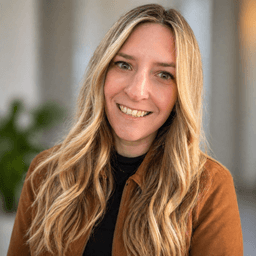
Zoe Giatis, M.A., CCC-SLP is a speech-language pathologist, AAC specialist, and university lecturer with a passion for literacy, augmentative and alternative communication (AAC), and inclusive education. She is currently pursuing her EdD, where her research aims to explore neurodiversity-affirming approaches within educator preparation programs.
Disclosure: Zoe Giatis received financial compensation from AbleNet for this presentation. She is employed by Cupertino Union School District and San José State University.
Built for you
Who this course is for
Every minute is written for working clinicians, educators, and families. You walk away with real-world tools to try with your next learner, not abstract theory.
Speech-Language Pathologists
Educators
AAC Teams
Communication Partners
After this course
What you’ll walk away with.
You leave with concrete skills and frameworks you can apply in your next session, classroom, or family visit, not just ideas to think about later.
Earn your CEUs
Attend the full course and pass the post-session assessment at 80% or higher. Your 0.1 ASHA CEUs are reported to ASHA when you opt in on the assessment.
- 01
You’ll be able to
Identify and implement aspects of neurodiversity-affirming practices into AAC clinical practice.
- 02
You’ll be able to
Differentiate between traditional clinical practices and neurodiversity-affirming practices.
- 03
You’ll be able to
Define key terms and elements related to AAC and neurodiversity-affirming best practices.
The full 1 hour
Your learning path.
- 1
Introduction, Disclosures, Objectives, and Key Terminology
0-5 min - 2
Overview: Neurodiversity-Affirming AAC Best Practices: Access, Communication Opportunities, Vocabulary, Modeling, and Prompting
5-20 min - 3
Rethinking "Prerequisites" and Communication Gatekeeping
20-35 min - 4
Supporting Autonomy: Following the Child's Lead, Connection Over Compliance, Regulation, and Stimming
35-50 - 5
AAC in Practice: Token Boards, "AAC Is Not a Test," and Goal Examples
50-55 min - 6
Summary, Key Reminders, References, Questions, and Contact Information
55-60 min
Earn ASHA CEUs in three steps
Free courses, ASHA CEUs when you opt in.
Register & attend
Register in under a minute and join us live.
Pass the assessment
Complete the short post-course assessment with 80% or higher to confirm mastery.
CEUs reported to ASHA
Choose to be reported on the assessment and your 0.1 ASHA CEUs are filed to ASHA for you. No paperwork, no chasing certificates.
Ready when you are
Save your seat. It’s free.
Registration is short and free: no credit card, no trial, nothing to cancel later.
Keep going
More in AAC Implementation
ableU Live & Local-Philadelphia: AAC in Action
Join us for an in-person educational event on integrating augmentative and alternative communication (AAC) into daily life, with complimentary food and refreshments provided. A panel of speech-language pathologists and a parent of a device user will discuss device implementation, parent training for carryover, and interdisciplinary collaboration across service settings.
ableU Live & Local-Nashville: AAC in Action
Join us for an in-person educational event on integrating augmentative and alternative communication (AAC) into daily life, with complimentary food and refreshments provided. A panel of speech-language pathologists and a parent of a device user will discuss device implementation, parent training for carryover, and interdisciplinary collaboration across service settings.
AAC Made Simple
Many teams have AAC available but aren't sure how to use it. This session gives educators, SLPs, and paraprofessionals five simple activities to start modeling AAC right away: animal sound play, cause-and-effect play, academic tasks, shared reading, and transitions. Video examples show modeling without expectation on core boards and speech-generating devices, plus how to honor a child's protest.