Giving Children a Voice: Integrating AAC and Apraxia Therapy
Many children with childhood apraxia of speech (CAS) utilize alternative and augmentative communication (AAC). The focus of this course is implementing therapy that addresses both AAC and motor planning challenges. Basics of AAC intervention and motor-based therapy will be covered briefly. Factors to consider when prioritizing therapy goals and structuring sessions will be discussed.
Speaker
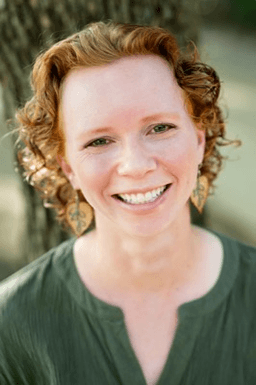
Breanna Waldrup, MS, CCC-SLP has been a speech-language pathologist for over 17 years and is recognized for Advanced Training and Expertise in Childhood Apraxia of Speech by Apraxia Kids. Breanna has specialized in the diagnosis and treatment of motor speech disorders, particularly CAS, for 13+ years during which time she has treated hundreds of children. She shares her wealth of clinical experience through presentations on CAS and literacy, as well as providing consultations to families and professionals and conducting expert-level speech evaluations. A self-professed speech nerd, she has a passion for staying up-to-date on the latest research evidence and translating the information into clinical practice.
Disclosure: Breanna receives a stipend for this presentation from AbleNet. She receives royalties from recorded webinars viewed on Knowledge is Now website. She receives compensation (salary) from Breanna Waldrup, SLP. She receives compensation (salary) from Bjorem & Bolles.
Built for you
Who this course is for
Every minute is written for working clinicians, educators, and families. You walk away with real-world tools to try with your next learner, not abstract theory.
Speech-Language Pathologists
Early Interventionists
Special Educators
Pediatric Clinicians
After this course
What you’ll walk away with.
You leave with concrete skills and frameworks you can apply in your next session, classroom, or family visit, not just ideas to think about later.
Earn your CEUs
Attend the full course and pass the post-session assessment at 80% or higher. Your 0.1 ASHA CEUs are reported to ASHA when you opt in on the assessment.
- 01
You’ll be able to
Describe the profile of a child who may need both motor-based therapy and AAC intervention.
- 02
You’ll be able to
List a session structure that addresses both motor learning and AAC goals.
- 03
You’ll be able to
List one example of a motor planning/programming and AAC goal.
The full 1 hour
Your learning path.
- 1
0 -
- 2
5 min - Introduction 5 -15 min - Children with CAS and AAC Needs 15 -
- 3
20 min - Basics of Apraxia Therapy 20 -
- 4
25 min - Aided Language Stimulation 25 -
- 5
35 min - Therapy Goals 35 -
- 6
55 min - Structuring sessions and activities 55 -
- 7
60 min - Q&A
Earn ASHA CEUs in three steps
Free courses, ASHA CEUs when you opt in.
Register & attend
Register in under a minute and watch on-demand, whenever it fits your schedule.
Pass the assessment
Complete the short post-course assessment with 80% or higher to confirm mastery.
CEUs reported to ASHA
Choose to be reported on the assessment and your 0.1 ASHA CEUs are filed to ASHA for you. No paperwork, no chasing certificates.
Ready when you are
Save your seat. It’s free.
Registration is short and free: no credit card, no trial, nothing to cancel later.
Keep going
More in Speech Sound Disorders
Phonological Patterns Series: Fronting, Backing, and Stopping
This session covers fronting, stopping, and backing, key phonological processes seen in children's speech sound development. Attendees will learn to identify these patterns, understand their typical developmental timeline, and explore evidence-based treatment approaches to support accurate sound production.
Key Points in Apraxia Therapy
In this session, participants will explore the complexities of diagnosing Childhood Apraxia of Speech (CAS) and identify qualified professionals for diagnosis. Participants will review key differences between motor and language-based treatments, and analyze treatment videos showcasing motor learning techniques, including multisensory cueing.
Elicitation of "L": Practical Elicitation Strategies for the Busy SLP
In this webinar, participants will learn evidenced-based strategies to elicit /l/. Topics include common errors in /l/ production, phonetic placement cues, metaphors, phonetic shaping, and facilitative contexts. Eliciting medial /l/ and clusters will also be discussed.